Mallakhamb: the wrestler’s pole
In India, mallakhamb (roughly “wrestler’s pole”) is a traditional discipline in which athletes perform holds, balances and fast climbs on an upright wooden pole, and on a hanging rope. Written references go back to the 12th century. It was originally used to train wrestlers, and it’s still practiced and competed in today, with some moves that pole dancers would recognize instantly.
Chinese pole: circus on the vertical
Chinese pole comes from the long tradition of Chinese acrobatics. Performers climb, flag and drop down tall poles, often in groups, with striking displays of strength. It’s now a staple of contemporary circus shows around the world, and many circus schools teach it.
Pole dance steps into the spotlight
The dance side of pole is often traced to traveling fairs and sideshows in 20th-century North America, and later to clubs, where performers developed the spins, climbs and floorwork that form much of the vocabulary taught in studios today. Exotic pole and heels classes still celebrate that sensual, performance-led side of the art.
The rise of pole fitness
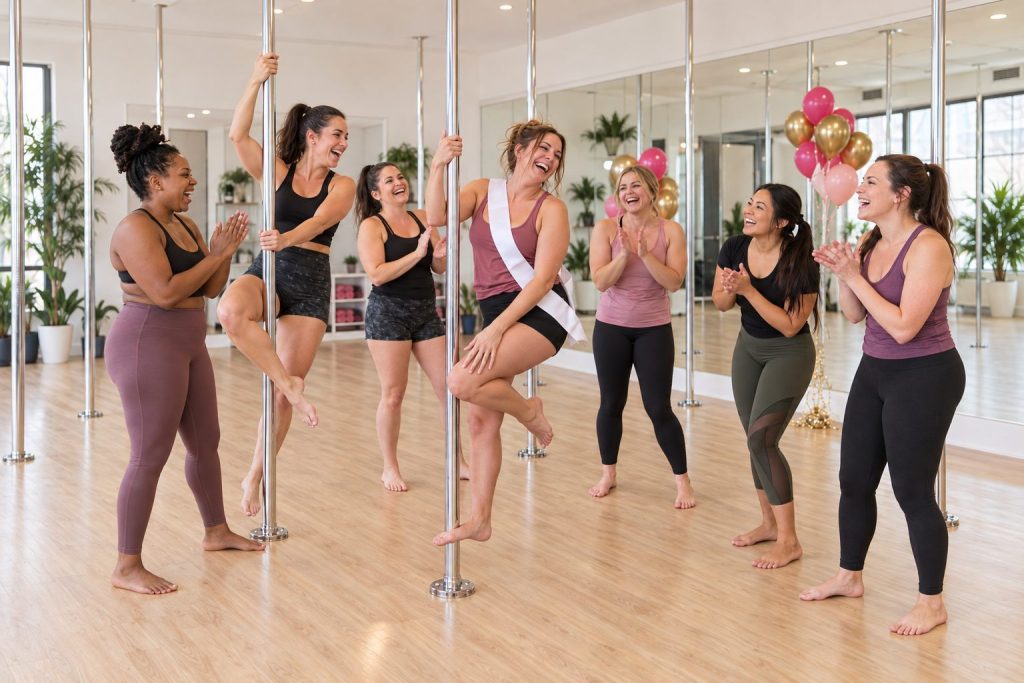
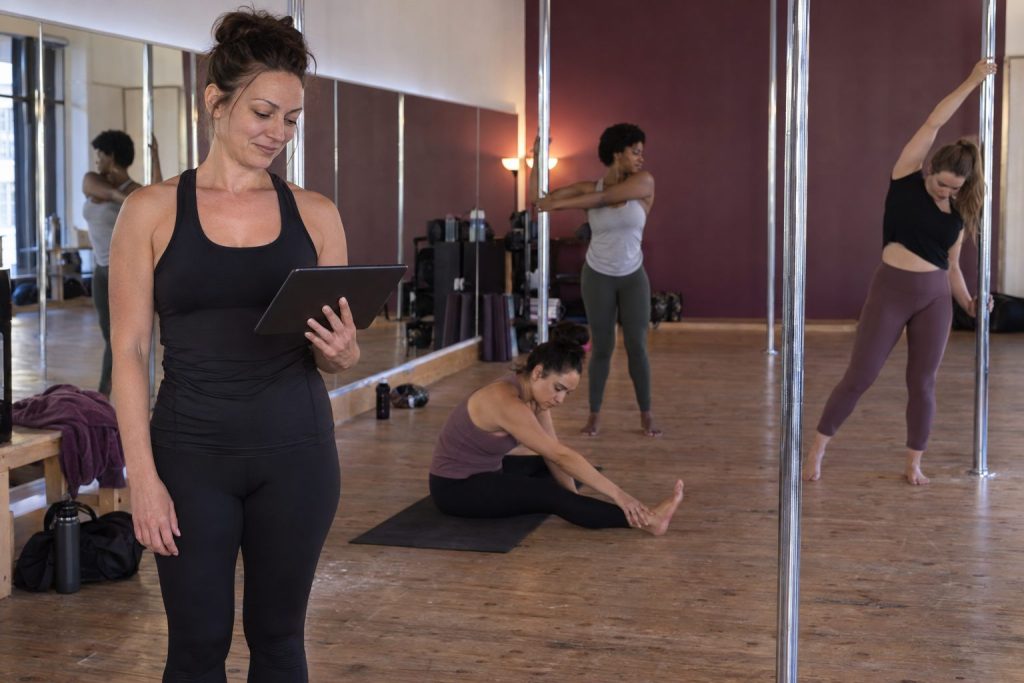
From the 1990s into the 2000s, instructors began teaching pole as a workout in dedicated studios, and instructional videos helped the idea spread. Students discovered what dancers already knew: pole builds serious strength, flexibility and confidence. Pole fitness studios grew worldwide, with structured levels, qualified instructors and communities that welcome every age and body.
Pole studios became places where people discover what their bodies can do, often for the first time in years.
Pole becomes a sport
Competitive pole developed its own federations, judging codes and championships. The International Pole Sports Federation was founded in 2009, and in 2017 pole sports gained observer status with the Global Association of International Sports Federations, a step on the long road towards wider sporting recognition. Today’s competitions include pole sport, artistic pole and exotic categories.
Pole today
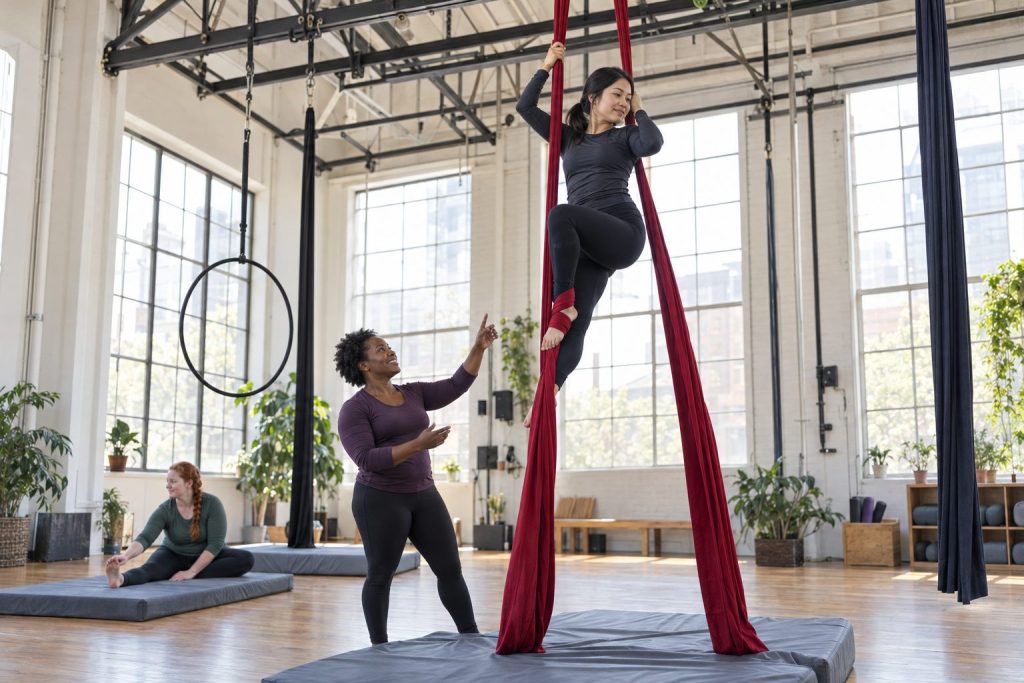
Modern pole is a broad church. It covers athletic pole sport, theatrical pole art, exotic and heels, pole fitness, and pole within contemporary circus. Many studios teach several of these under one roof, next to aerial silks, lyra and flexibility classes.
Whatever the style, the fundamentals are the same: respect for progression, a supportive community, and a lot of skin-on-metal grip. (If yours is struggling today, read Pole grip 101.)